
Making a homemade gluten-free pie crust can feel intimidating — but it doesn’t have to be. With the right technique, quality ingredients, and a few essential tips, you can create a beautifully flaky, tender crust that works for all your favorite pies.
Whether you’re baking a classic apple pie, a creamy pumpkin pie, or a savory quiche, this gluten-free pie crust delivers reliable, delicious results every time.
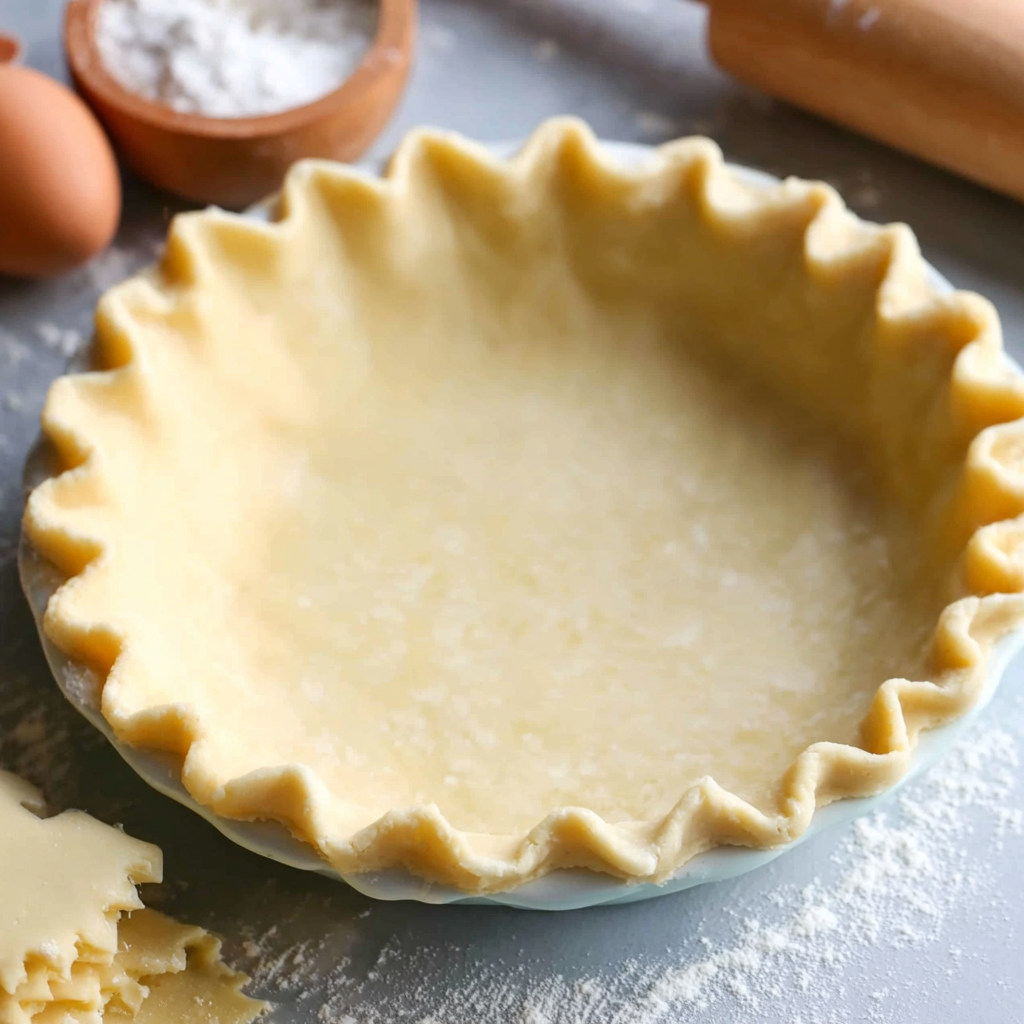
Let’s master it together.
Why This Recipe Works
After years of testing (and going through an embarrassing amount of gluten-free flour and butter!), I discovered something important:
Success with gluten-free pie crust depends more on technique than the recipe itself.
Yes, good flour matters. Yes, cold butter is critical. But the real magic lies in:
- Keeping everything cold
- Handling the dough gently
- Avoiding overmixing
- Leaving visible chunks of butter
Once I focused on those principles, everything changed.
And now? Flaky, golden, bakery-style gluten-free pie crust every single time.
What Can You Use This Crust For?
This dough works beautifully for:
- Gluten-Free Apple Pie
- Gluten-Free Pumpkin Pie
- Gluten-Free Pecan Pie
- Custard or Cream Pies
- Quiche
- Chicken Pot Pie
- Savory tarts
If converting a traditional pie filling to gluten-free, simply replace flour in the filling with cornstarch or another gluten-free thickener.
Need a graham cracker crust instead? Use a gluten-free graham cracker crust recipe.
Key Ingredients (And Why They Matter)
Gluten-Free Flour Blend
Cup4Cup is highly recommended. It creates the most reliable, easy-to-handle dough.
Other blends that can work:
- Pamela’s All-Purpose GF Flour
- Namaste Perfect Blend
- King Arthur GF Blend
Make sure your blend includes xanthan gum.
Note: Cup4Cup is not dairy-free.
Butter
Use very cold butter. Cube it and freeze for 15 minutes before starting.
Cold butter = flaky crust.
For dairy-free:
- Use a solid plant-based butter stick (not coconut oil)
- Keep it very cold
Egg Yolks
Provide structure and richness.
Can be omitted for egg-free — just add a little extra water.
Sugar & Salt
Enhance flavor and promote browning.
Omit sugar for savory pies if desired.
Ice-Cold Water
The colder, the better. Always add gradually.
Step-by-Step: How to Make Gluten-Free Pie Dough
You can use a stand mixer or make it by hand. Avoid using a food processor — it often overmixes the dough.
Step 1: Chill Everything
Cold ingredients are non-negotiable.
- Cube butter → freeze 15 minutes
- Whisk egg yolks with half the water → refrigerate
- Whisk dry ingredients → chill briefly
- Chill mixing bowl and paddle if using stand mixer
Cold dough = flaky crust.
Step 2: Cut the Butter Into the Flour
Add butter cubes to flour mixture and toss to coat.
Using a stand mixer (low speed) or your hands:
Flatten butter pieces into the flour.
You want:
- Some small pieces
- Some large chunks about the size of walnut halves
Pro Tip:
Those large butter chunks create steam in the oven — that steam makes the crust flaky. If the mixture looks like fine crumbs, you’ve gone too far.
Step 3: Add Wet Ingredients
Pour in egg yolk mixture.
Add additional ice water 1 tablespoon at a time until:
- Dough looks evenly moistened
- No dry flour patches remain
- Dough is not sticky
It should look crumbly but hold together when pressed.
Stop mixing immediately once it comes together.
Overmixing = tough crust.
Step 4: Chill the Dough
Divide into two disks.
Wrap tightly and refrigerate at least 30 minutes.
You can:
- Refrigerate 1–3 days
- Freeze for later use
Rolling Out the Dough (The Secret to Success)
Roll on lightly floured parchment paper.
Why parchment?
- Prevents sticking
- Allows easy transfer
- Lets you chill instantly if dough warms
Move dough frequently while rolling to ensure it isn’t sticking.
If it warms or tears:
→ Put it back in the fridge for 15–30 minutes.
Cold dough is happy dough.
Transfer to Pie Dish
- Fold dough in half, then in half again
- Place corner in center of pie dish
- Unfold gently
- Press into corners (no air pockets!)
- Trim to 1-inch overhang
Patch cracks if needed — that’s normal with gluten-free dough.
Finishing Options
Single Crust Pie
- Fold edges under
- Crimp as desired
Double Crust Pie
- Fill pie
- Roll out second disk
- Place on top
- Fold edges under
- Crimp
Baking Options
Par-Bake (Partial Bake)
Use when filling continues baking.
- Dock crust with fork
- Add parchment + pie weights
- Bake at 425°F for 10–15 minutes
- Remove weights
- Bake until bottom looks dry
- Fill and bake
Blind Bake (Fully Bake)
For cream or custard pies.
- Follow par-bake steps
- Bake 5–10 additional minutes until golden
Filled Fruit Pie (No Pre-Bake)
- Bake at 425°F for 15 minutes
- Reduce to 375°F
- Bake 45–60 minutes
Cover edges with foil once lightly golden to prevent over-browning.
Troubleshooting Guide
Dough Cracks When Rolling
Too dry → sprinkle with a little water and gently work in.
Dough Too Sticky
Too wet → dust lightly with flour.
Dough Falls Apart When Transferring
Too warm.
Rewrap and refrigerate 30 minutes.
Crust Not Flaky
Butter was:
- Too warm
- Overmixed
- Cut too small
Remember:
You want walnut-sized butter pieces before adding liquid.
Dough Difficult to Work With
- Keep everything COLD
- Avoid overmixing
- Work on parchment
- Try a different flour blend if needed
Extra Success Tips
- Practice before big events
- Chill dough if frustrated
- Cover edges with foil early
- Rustic is beautiful — it will still taste amazing
- It’s okay to buy pre-made sometimes
Baking should be joyful, not stressful.
Final Thoughts
Gluten-free pie crust may be slightly more delicate than traditional dough, but once you understand the technique, it becomes completely manageable.