
Herbes de Provence is a traditional French herb blend that instantly brings the flavors of southern France to your cooking. Made with a simple mix of thyme, rosemary, oregano, and marjoram, this fragrant seasoning is perfect for chicken, roasted vegetables, fish, stews, or even homemade salad dressings.
While this classic seasoning blend is widely used in French cuisine, it can sometimes be difficult to find outside of France. The good news? It’s incredibly easy to make at home using just a few dried herbs.
With this homemade version, you can enjoy the authentic taste of Provence anytime in your own kitchen.
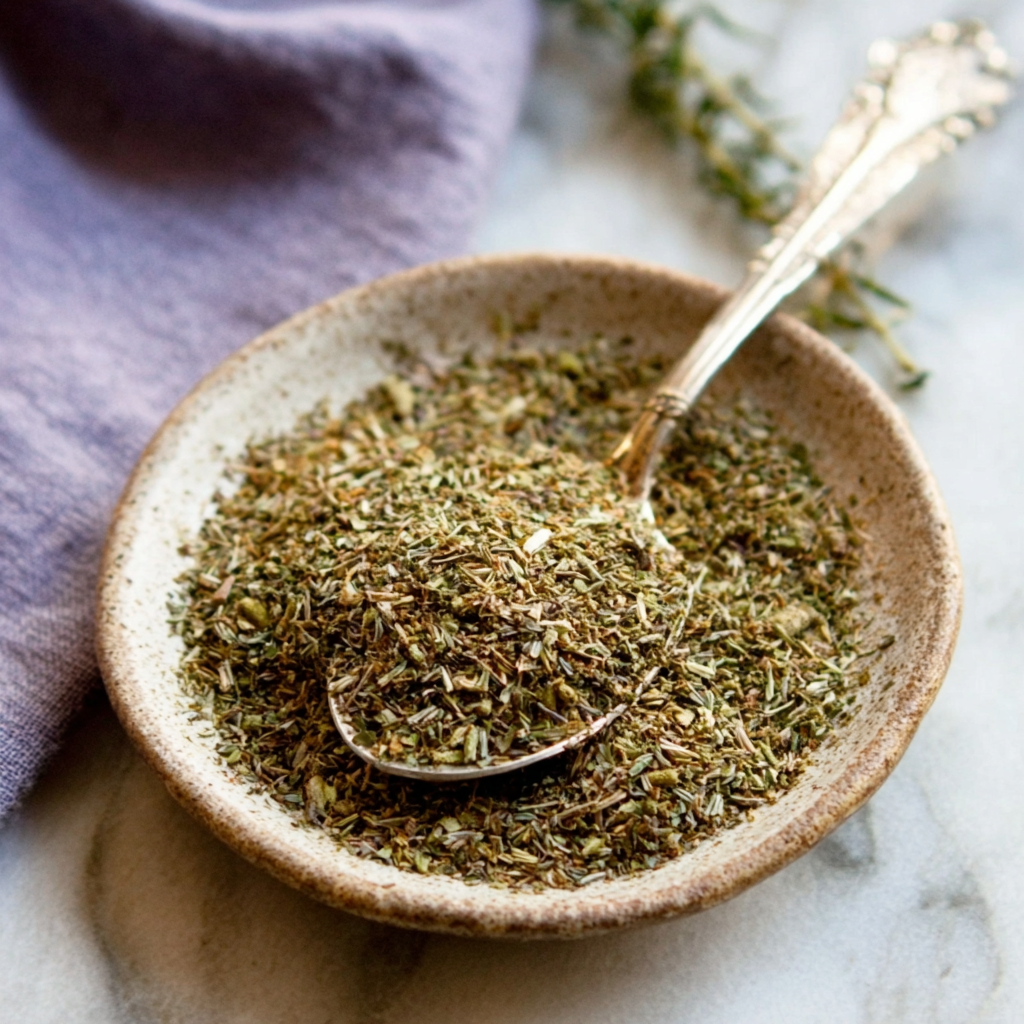
What Are Herbes de Provence?
The name “Herbes de Provence” literally translates to “herbs of Provence,” referring to the aromatic herbs traditionally used in the Provence region of southeastern France.
This sunny Mediterranean region is known for its vibrant cuisine, where herbs such as thyme, rosemary, oregano, and marjoram grow abundantly and are used to flavor many classic dishes.
The herb blend became popular because it perfectly captures the fresh, rustic flavors of Provençal cooking, often used to season meats, vegetables, and grilled dishes.
Why Make Herbes de Provence at Home?
Making your own herb blend has several advantages:
- Easy to prepare with just a few ingredients
- More affordable than store-bought blends
- Fresh and flavorful when made with quality herbs
- Customizable to your taste
Homemade Herbes de Provence also allows you to control the balance of herbs so the flavor remains authentic.
The Herbs Used in Herbes de Provence
There isn’t one single official recipe for this blend. Many variations exist depending on the region or the cook.
However, the classic version typically includes:
- Thyme – earthy and aromatic
- Rosemary – bold and pine-like flavor
- Oregano – warm and slightly peppery
- Marjoram – mild and slightly sweet herbal note
Some versions also include additional herbs such as:
- savory
- basil
- parsley
- sage
- bay leaves
- mint
In North America, some commercial blends even add lavender, though this is less traditional in everyday cooking.
The Secret to a Balanced Herb Blend
The key to authentic Herbes de Provence is balance.
Thyme and rosemary should be the dominant herbs, providing the main aroma. Oregano and marjoram play a supporting role, adding depth without overpowering the blend.
Some recipes include too many herbs, which can dilute the classic flavor. Keeping the blend simple helps preserve the clean, fragrant taste that defines southern French cuisine.
Ingredients
To make this homemade Herbes de Provence blend, you only need four dried herbs:
- 2 tablespoons dried thyme
- 2 tablespoons dried rosemary
- 2 teaspoons dried marjoram (or savory)
- 1 teaspoon dried oregano
How to Make Herbes de Provence
This recipe takes only a few minutes to prepare.
1. Chop the herbs (if needed)
Some dried herbs, especially rosemary, can have large leaves. Finely chop them with a knife or briefly pulse them in a spice grinder to release more flavor.
2. Mix the herbs
Combine the thyme, rosemary, marjoram, and oregano in a small bowl.
3. Store the blend
Transfer the mixture to an airtight jar and store it in a cool, dry pantry.
The blend will stay fresh for up to 3 months, depending on the freshness of the herbs used.
How to Use Herbes de Provence
This versatile herb blend can be used in many dishes.
Try it with:
- roasted chicken or grilled chicken
- roasted vegetables
- fish or seafood
- lamb or pork dishes
- stews and braises
- homemade vinaigrettes
- roasted potatoes
It’s also excellent sprinkled over olive oil and bread or used to season marinades.
Storage Tips
To keep your herb blend fresh:
- Store it in an airtight container
- Keep it in a cool, dark pantry
- Avoid moisture and heat
Properly stored, the blend will maintain its flavor for about three months.
Final Thoughts
This homemade Herbes de Provence blend is a simple yet powerful seasoning that captures the essence of southern French cooking. With just four herbs, you can recreate the aromatic flavors found in classic Provençal dishes.