
This Creamy Vegan Butternut Squash Pasta Sauce is smooth, cozy, flavorful, and perfect for fall comfort food. Made with roasted butternut squash, tomatoes, onion, olive oil, thyme, and pasta water, this simple dairy-free sauce turns into a rich and creamy pasta dish without any cream or butter.
It is easy to make, uses simple ingredients, and comes together with very little effort. The roasted vegetables add deep flavor, while the pasta water helps blend everything into a silky sauce that coats every bite of pasta beautifully.
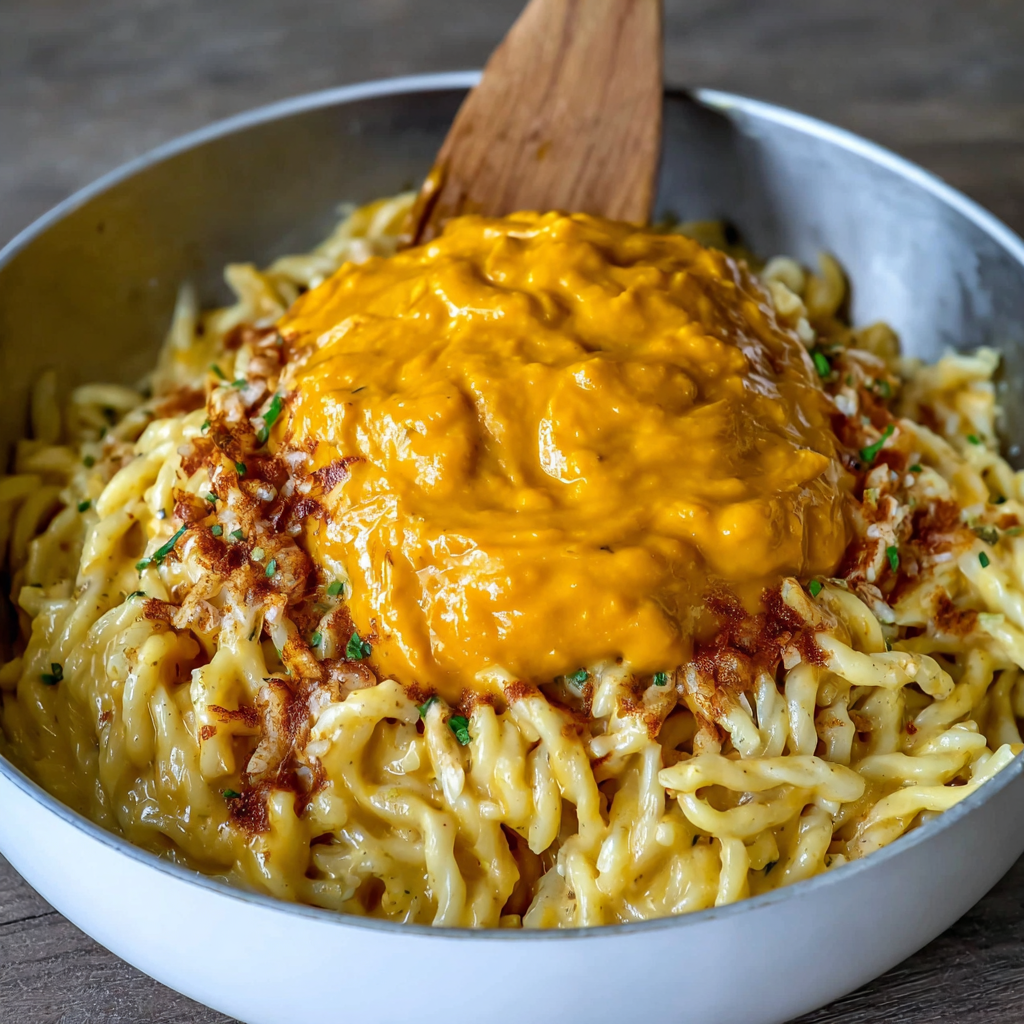
Why You’ll Love This Butternut Squash Pasta Sauce
- Creamy without dairy
- Vegan and plant-based
- Made with simple ingredients
- Perfect for fall and winter dinners
- Easy roasted vegetable sauce
- Great for meal prep
- Freezer-friendly
- Family-friendly comfort food
- Uses frozen butternut squash for convenience
- Delicious with pasta, gnocchi, or roasted vegetables
What Makes This Sauce So Good?
Butternut squash naturally becomes sweet, smooth, and creamy when roasted and blended. Instead of using heavy cream, this recipe relies on roasted vegetables and starchy pasta water to create a silky sauce.
The tomatoes add brightness, the onion adds sweetness, the thyme adds cozy flavor, and the olive oil helps everything roast beautifully. Once blended, the sauce becomes rich, comforting, and perfect for tossing with your favorite pasta.
Ingredients
- 16-ounce bag frozen diced butternut squash
- 1½ cups fresh chopped tomatoes
- ½ yellow onion, sliced
- 2 tablespoons olive oil
- 1 teaspoon salt
- ¼ teaspoon black pepper
- ½ teaspoon dried thyme
- 1 pound pasta
- ⅓ cup reserved pasta water
- Parmesan cheese or plant-based Parmesan, for serving
Ingredient Notes
Butternut Squash
Frozen diced butternut squash makes this recipe quick and easy. No peeling, cutting, or deseeding needed. Fresh butternut squash can also be used if preferred.
Tomatoes
Fresh chopped tomatoes add acidity and balance the natural sweetness of the squash.
Onion
Yellow onion becomes sweet and flavorful when roasted, helping build depth in the sauce.
Olive Oil
Olive oil helps the vegetables roast and adds richness to the finished sauce.
Thyme
Dried thyme gives the sauce a warm, earthy flavor that pairs perfectly with butternut squash.
Pasta Water
Reserved pasta water helps blend the sauce and gives it a smooth, glossy texture.
Pasta
Any pasta shape works. Short pasta like penne, rigatoni, or shells holds the sauce well, while spaghetti or fettuccine also taste delicious.
Why Use Frozen Butternut Squash?
Frozen butternut squash is a huge time-saver. Fresh butternut squash can be difficult to peel, cut, and clean, especially on busy weeknights.
Frozen squash is already peeled, diced, and ready to roast. It is also affordable and easy to keep on hand for quick dinners.
If using fresh butternut squash, simply peel, seed, and cut it into cubes, then follow the same roasting method.
How to Make Butternut Squash Pasta Sauce
Step 1: Prepare the Oven
Preheat the oven to 450°F.
Line a baking sheet with parchment paper for easy cleanup.
Step 2: Add the Vegetables
Place the frozen cubed butternut squash, chopped tomatoes, and sliced onion on the prepared baking sheet.
Spread everything out in an even layer.
Step 3: Season
Drizzle the vegetables with olive oil.
Sprinkle with salt, black pepper, and dried thyme.
Toss until the vegetables are evenly coated.
Step 4: Roast
Bake at 450°F for about 20 minutes, or until the vegetables are tender and lightly caramelized.
The roasting step is what gives this sauce its deep, rich flavor.
Step 5: Cook the Pasta
While the vegetables roast, cook the pasta according to the package directions.
Before draining, reserve ⅓ cup of the pasta water.
Add the reserved pasta water to a blender.
Step 6: Blend the Sauce
Carefully transfer the hot roasted vegetables to the blender with the pasta water.
Blend until smooth and creamy.
If the sauce is too thick, add a splash more pasta water until it reaches your desired consistency.
Step 7: Toss with Pasta
Pour the butternut squash sauce over the cooked pasta.
Toss until the pasta is fully coated.
Step 8: Serve
Serve immediately with Parmesan cheese or a plant-based Parmesan alternative.
Add extra black pepper, fresh herbs, or a drizzle of olive oil if desired.
Tips for the Best Butternut Squash Pasta
Roast the Vegetables Well
Roasting brings out the natural sweetness of the squash and adds more flavor than boiling.
Save Extra Pasta Water
Pasta water helps thin the sauce while keeping it creamy and glossy.
Blend Until Smooth
A high-speed blender gives the creamiest sauce, but a regular blender works too.
Adjust the Thickness
Add more pasta water for a thinner sauce or blend with less water for a thicker sauce.
Taste Before Serving
After blending, taste the sauce and adjust salt, pepper, or thyme as needed.
Variations
Spicy Butternut Squash Pasta
Add red pepper flakes or a pinch of cayenne before blending.
Garlic Butternut Squash Sauce
Roast 3 to 4 garlic cloves with the vegetables for extra flavor.
Creamier Version
Blend in a splash of coconut milk, oat milk, or cashew cream.
Protein Boost
Add chickpeas, white beans, tofu, or vegan sausage.
Extra Veggie Version
Roast carrots, red bell peppers, or cauliflower with the squash.
Cheesy Vegan Version
Add 2 tablespoons nutritional yeast before blending.
What Pasta Works Best?
This creamy butternut squash sauce works well with many pasta shapes, including:
- Penne
- Rigatoni
- Shells
- Fusilli
- Farfalle
- Fettuccine
- Spaghetti
- Linguine
Short pasta shapes are especially good because they hold the sauce in every bite.
What to Serve with Butternut Squash Pasta
This pasta is delicious on its own, but you can also serve it with:
- Garlic bread
- Green salad
- Roasted broccoli
- Steamed green beans
- Vegan meatballs
- Crispy chickpeas
- Roasted Brussels sprouts
- Caesar salad
- Grilled tofu
Storage Instructions
For the best texture, store the pasta and sauce separately.
Keep the sauce in an airtight container in the refrigerator for up to 7 days.
Cooked pasta can be stored separately for 3 to 4 days.
When ready to serve, warm the sauce and toss with pasta.
Freezing Instructions
This butternut squash pasta sauce freezes well.
Let the sauce cool completely, then transfer it to a freezer-safe container.
Freeze for up to 3 months.
Thaw overnight in the refrigerator, then reheat on the stove with a splash of water or pasta water.
Reheating Instructions
Warm the sauce in a small pot over medium-low heat.
Add a splash of water, broth, or pasta water to loosen it.
Stir until smooth and heated through.
You can also reheat individual portions in the microwave.
Frequently Asked Questions
Can I Use Fresh Butternut Squash?
Yes. Peel, seed, and cube the squash, then roast it the same way as frozen squash.
Can I Make This Sauce Ahead of Time?
Yes. The sauce can be made ahead and stored in the refrigerator for up to 7 days.
Is This Recipe Vegan?
Yes, the sauce is naturally vegan. Use plant-based Parmesan for serving.
Can I Freeze the Sauce?
Yes. This sauce freezes very well for up to 3 months.
Can I Use Canned Tomatoes?
Fresh tomatoes are best, but canned diced tomatoes can work if drained well.
How Can I Make the Sauce Creamier?
Add a splash of coconut milk, oat milk, cashew cream, or extra olive oil before blending.
Recipe Information
Prep Time: 10 minutes
Cook Time: 30 minutes
Total Time: 40 minutes
Servings: 6
Nutrition Information
Approximate nutrition per serving:
- Calories: 367
- Carbohydrates: 68g
- Protein: 11g
- Fat: 6g
- Fiber: 5g
- Sugar: 5g
Nutrition may vary depending on pasta type and toppings used.
Final Thoughts
This Creamy Vegan Butternut Squash Pasta Sauce is a simple, healthy, and comforting recipe that tastes rich without needing dairy. Roasted butternut squash, tomatoes, onion, and thyme blend into a smooth sauce that feels cozy, flavorful, and satisfying.
It is perfect for fall dinners, easy weeknight meals, or make-ahead lunches. Keep a batch in the fridge or freezer, and you’ll always have a quick creamy pasta sauce ready to go.